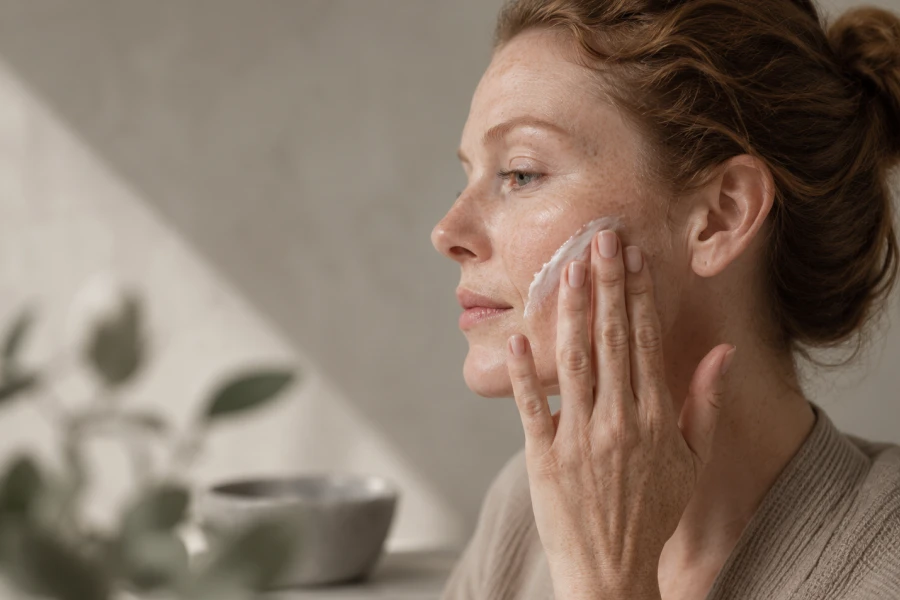
A dry skin repair routine should do more than add cream. It should reduce tightness, roughness, and repeat irritation. Dry skin often needs protection from daily triggers. Soap, weather, friction, and heat can all matter. Repair begins when the routine becomes strategic. Every layer should have a clear purpose. Hydration, softening, and sealing work together. The process feels simple once the order is clear. Comfort returns gradually with steady care. That makes consistency easier to maintain.
Gentle habits protect vulnerable skin first. Hot water can worsen tightness quickly. Strong soaps may remove helpful oils. Rough towels can irritate cracked areas. Use mild cleansing and careful drying. Apply moisturizer while skin still feels slightly damp. A rough skin comfort strategy begins with fewer insults. This does not require an elaborate setup. It requires repeating the basics well. Skin often calms when irritation decreases.
Moisture layers help dryness from multiple angles. Humectants attract water into the surface. Emollients soften rough texture. Occlusives reduce water loss after application. Together, they support longer-lasting comfort. Apply lighter layers before heavier ones. This order helps products spread evenly. Focus thicker care on rough zones. Hands, elbows, knees, and heels often need more. Layering turns basic moisturizing into targeted care.
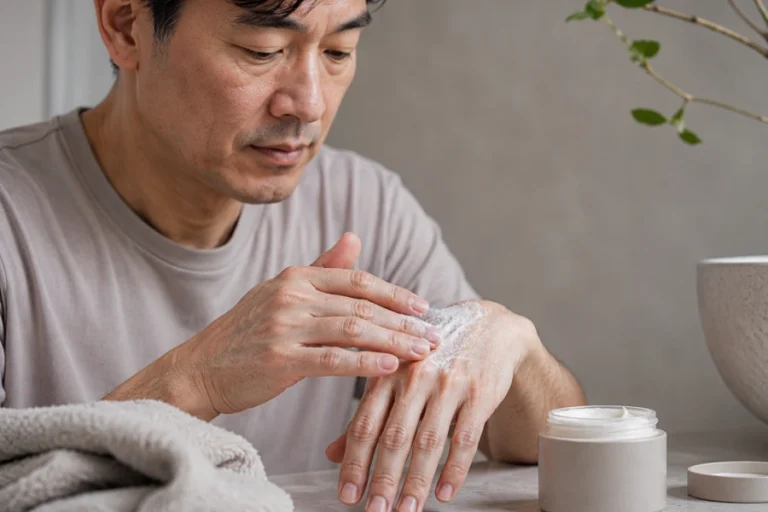
Damaged skin may sting from ordinary products. That reaction can feel confusing and frustrating. Simplify the routine during tender periods. Avoid fragrance, scrubs, and strong actives. Choose bland formulas until comfort improves. A dry hand recovery method often needs this reset. Gloves can protect hands during chores. Short nails may reduce accidental scratching. Calm skin can tolerate more later. Repair works best when irritation stays low.
Nighttime gives skin uninterrupted support. Wash gently before applying treatment layers. Use richer products on stubborn areas. Cover hands or feet if helpful. Soft cotton gloves can improve contact time. Socks can protect treated heels overnight. Keep bedding free from irritating detergents. Reapply if skin wakes up tight. Night care should feel soothing, not messy. A reliable evening rhythm builds visible progress.
Cracks need protection from movement and moisture loss. Avoid applying strong products into open splits. Use gentle barrier care around fragile edges. Covering the area may reduce friction. Seek help for bleeding, swelling, or infection signs. Do not ignore pain that worsens. A foot skin repair plan should prioritize safety. Walking on painful cracks can delay comfort. Softening surrounding skin may still help. Protection supports healing conditions.
Seasonal changes require flexible care. Winter usually demands richer protection. Summer may need lighter layers and sunscreen. Air conditioning can still dry skin indoors. Travel often disrupts hydration routines. Keep small products where you use them. Place cream near sinks and bedside tables. Adjust before dryness becomes severe. Prevention saves effort during harsh weather. Skin rewards routines that adapt early.
Improvement is not only visual. Skin should feel less tight after washing. Rough patches should catch less on fabric. Cracks should appear less frequently. Itching may decrease with better protection. Track comfort as much as texture. Photos can help when changes feel slow. Avoid switching products every few days. A moisture layering routine needs time. Steady progress often looks quiet at first.



Leave a comment