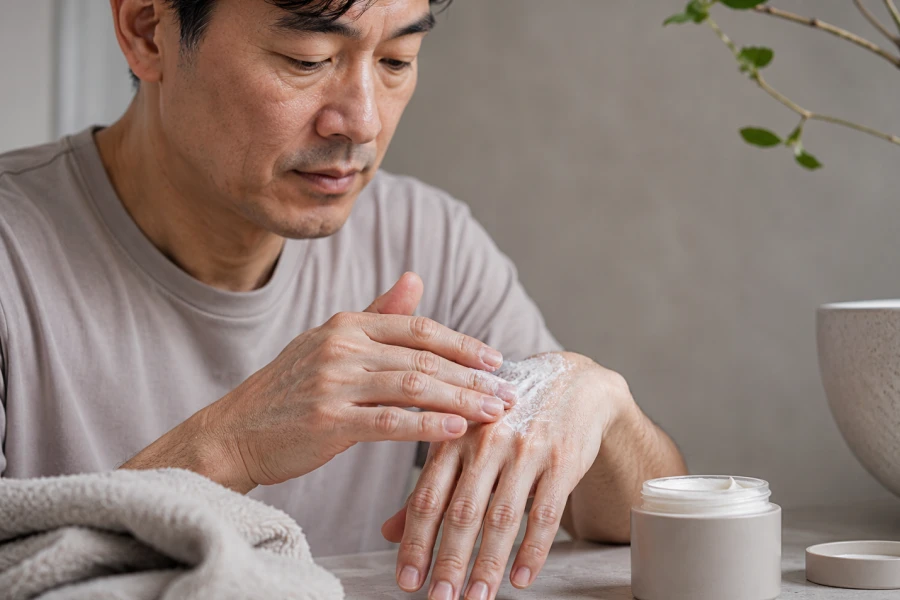
A urea cream routine can change how rough skin feels. It works because hydration needs structure. Extremely dry areas rarely improve from random application. They need timing, layering, and consistency. Urea helps attract moisture while softening texture. That makes it useful for stubborn dryness. The routine still needs patience and protection. Skin comfort builds through repeated care. Small daily steps can feel surprisingly powerful. Softer skin often begins with better order.
Texture changes when dry cells soften. Urea can support that process effectively. It helps skin hold water more comfortably. It also improves the feel of rough patches. A deep hydration plan makes the ingredient more useful. Application timing matters after cleansing. Damp skin often responds better to moisturizers. Protective layers help reduce moisture loss. These details turn cream into a routine. That routine creates more dependable results.
Harsh cleansing can undo moisturizing work. Use mild products on fragile areas. Pat skin dry instead of rubbing. Leave a little dampness when comfortable. Apply cream before skin feels tight. This timing helps trap available moisture. Wait before adding socks or gloves. Give the formula time to settle. Avoid applying to deep open cracks. Sensitive areas need extra caution and care.
Layering gives moisture a better chance. Start with hydration when skin feels parched. Follow with urea cream on rough zones. Seal with an occlusive when needed. Hands and heels often benefit from this method. A cracked skin relief approach should also reduce friction. Soft socks can protect treated feet. Gloves can help overnight hand care. The goal is steady moisture contact. Consistent layering improves comfort over time.
Hands and feet face constant stress. Washing strips hands throughout the day. Shoes create pressure and friction on feet. Both areas can become rough quickly. Apply cream after evening cleansing first. Night use gives skin uninterrupted recovery time. Add morning use if dryness persists. Keep daytime layers thinner for comfort. Avoid slippery feet before walking. Safety matters as much as softness.
Urea products vary in strength. Lower levels may suit general dryness. Higher levels often target thick roughness. Start slowly when skin feels sensitive. Stinging can mean the barrier needs gentler care. Do not rush stronger formulas unnecessarily. A urea cream application plan should match tolerance. More product is not always better. Frequency should follow comfort and response. Careful use keeps progress steady.
Cold weather can intensify dryness fast. Indoor heat pulls moisture from skin. Wind can make exposed areas sting. Apply cream before dryness becomes severe. Keep hand cream near sinks. Treat feet before bed consistently. Add occlusion when cracks feel likely. Reduce fragranced products during flare periods. The routine should become more protective in winter. Prevention feels easier than repair.
Lasting softness depends on maintenance. Continue care after skin improves. Reduce frequency slowly if needed. Keep rough zones monitored weekly. Protect hands during cleaning tasks. Wear comfortable shoes that reduce friction. Avoid long hot showers when possible. A skin barrier support mindset keeps results stable. Soft skin is easier to maintain than rescue. Consistency turns relief into routine comfort.



Leave a comment