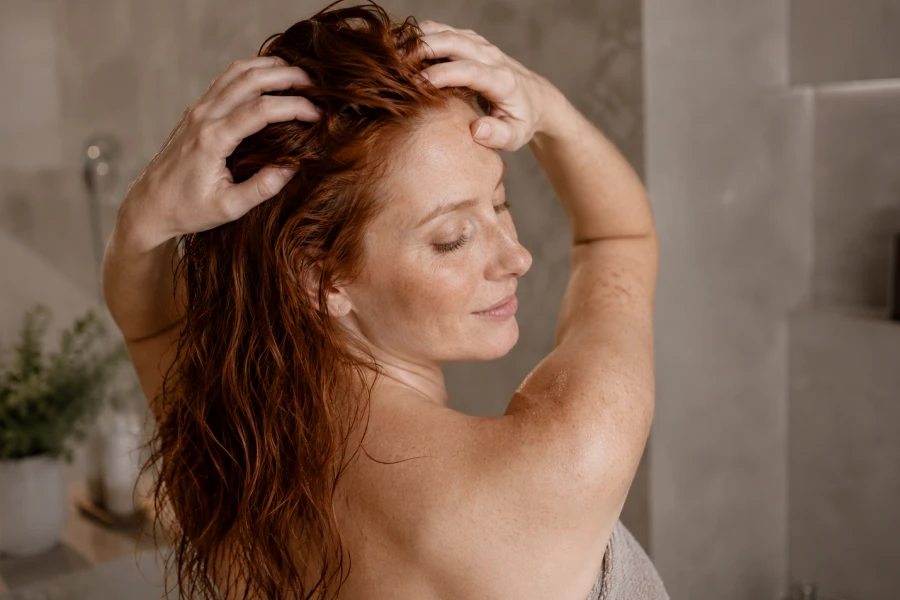
Hair growth scalp care works best when expectations stay realistic. Hair responds slowly, even with better habits. The scalp, however, can feel better sooner. That early comfort keeps motivation high. Many people chase quick fixes first. They overlook cleansing, massage, and consistency. Those basics shape the environment around roots. Stronger-looking hair needs steady support. It also needs patience during each cycle. Progress feels clearer when the process makes sense.
The foundation is the scalp environment. Oil, sweat, and residue can affect freshness. Irritation can make routines harder to maintain. A clean foundation supports better styling days. A balanced scalp care method keeps roots comfortable. It does not promise overnight transformation. Instead, it supports conditions that favor consistency. That distinction matters for realistic results. You control the habits, not every hair cycle. Still, better habits can create meaningful change.
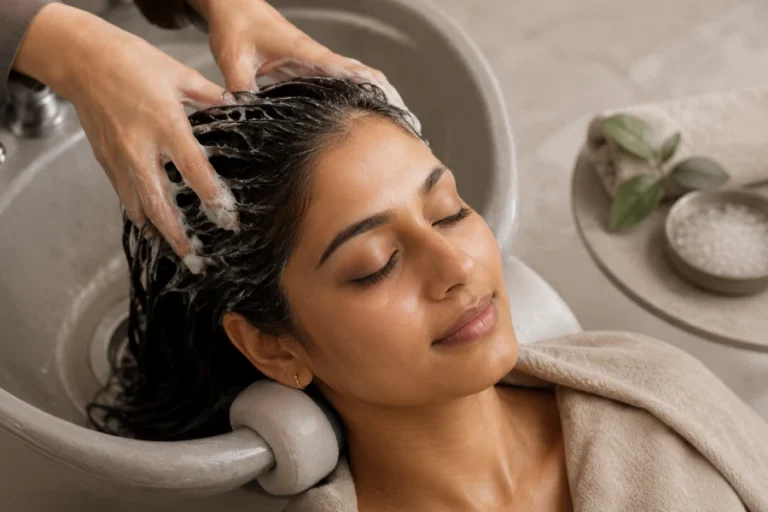
Consistent cleansing removes what roots do not need. Shampoo should reach the scalp directly. Massage helps distribute cleanser evenly. Rinse longer than you think necessary. Residue can dull roots after drying. Clarify occasionally when products accumulate. Avoid harsh cleansing every single wash. The scalp needs freshness and comfort together. A balanced schedule protects that relationship. Clean roots often look fuller and livelier.
Hair care does not live only in the shower. Sleep affects how the body repairs. Stress can influence shedding patterns for some people. Nutrition supports normal growth processes. Hydration helps the body function smoothly. A natural hair confidence plan includes lifestyle context. No topical routine replaces basic wellbeing. Still, scalp habits give you a practical place to start. Together, these choices support a healthier routine. The approach feels more complete and grounded.
Massage builds connection with the scalp. It encourages you to notice tenderness. It also makes care feel relaxing. Use light pressure and slow circles. Work from hairline toward the crown. Avoid pulling at fragile strands. Consistency matters more than force. Two or three minutes can be enough. Pair massage with wash days or evenings. A simple habit becomes easier when attached to timing.
Roots can suffer from repeated tension. Tight ponytails may feel neat but stressful. Extensions need careful maintenance and breaks. Heat near the scalp should stay moderate. Scratching can worsen irritation quickly. Heavy products can flatten roots. A scalp refresh ritual helps reset these patterns. Gentle handling protects both scalp and strands. Better choices accumulate across weeks. Hair often looks healthier when stress decreases.
Thinning concerns deserve calm attention. Start by observing patterns and timing. Sudden shedding should not be ignored. Medical factors can influence hair density. A professional can rule out important causes. Home care still supports comfort and cleanliness. Keep routines gentle while seeking clarity. Avoid aggressive treatments during uncertainty. Patience helps prevent impulsive product hopping. A steady routine makes changes easier to track.
Tracking should support confidence, not anxiety. Take photos monthly in similar lighting. Notice comfort, freshness, and manageability. Record products that caused irritation. Also note styles that created tension. Avoid checking length every day. Hair changes slowly by nature. A healthy hair foundation rewards patient observation. Progress becomes clearer over time. Calm tracking keeps the journey sustainable.

Leave a comment